
Many people struggle with New Year’s resolutions – not because they lack motivation, but because the goals are often unrealistic or rooted in perfectionism.
If You’ve Already Dropped Your New Year’s Resolution, Read This
By mid-January, the excitement has usually worn off.
The routines feel harder. Motivation is fading. And that quiet voice starts whispering, “See? You never stick with anything.”
If your New Year’s resolutions already feel shaky – or completely abandoned – you’re not doing anything wrong. Struggling to keep resolutions is incredibly common, especially when goals are tied to perfection rather than real life.
Why New Year’s Resolutions Are Easy to Set – and Hard to Keep

A new year often feels like a clean slate. We set goals with genuine hope: to feel better, be healthier, be more organized, more present, more ourselves.
But setting goals is very different from living them.
When life inevitably interrupts – stress, exhaustion, competing priorities – it’s easy to assume we’ve failed. That’s usually the moment we decide we’ve “fallen off the wagon” and let it roll away without us.
The problem isn’t the misstep.
The problem is believing that one misstep means you’re done.
The Thoughts That Keep Us Stuck
When New Year’s resolutions fall apart, it’s often not because we don’t care – it’s because of what we tell ourselves next:
- I chose the wrong goal.
- I don’t have enough willpower.
- This is too hard right now.
- If I can’t do it perfectly, what’s the point?
These thoughts can quietly convince us to wait until the “right time” to start again: next Monday, next month, next year.
But waiting rarely creates change – it just keeps us stuck.
You Don’t Need a Restart – You Need a Smaller Step
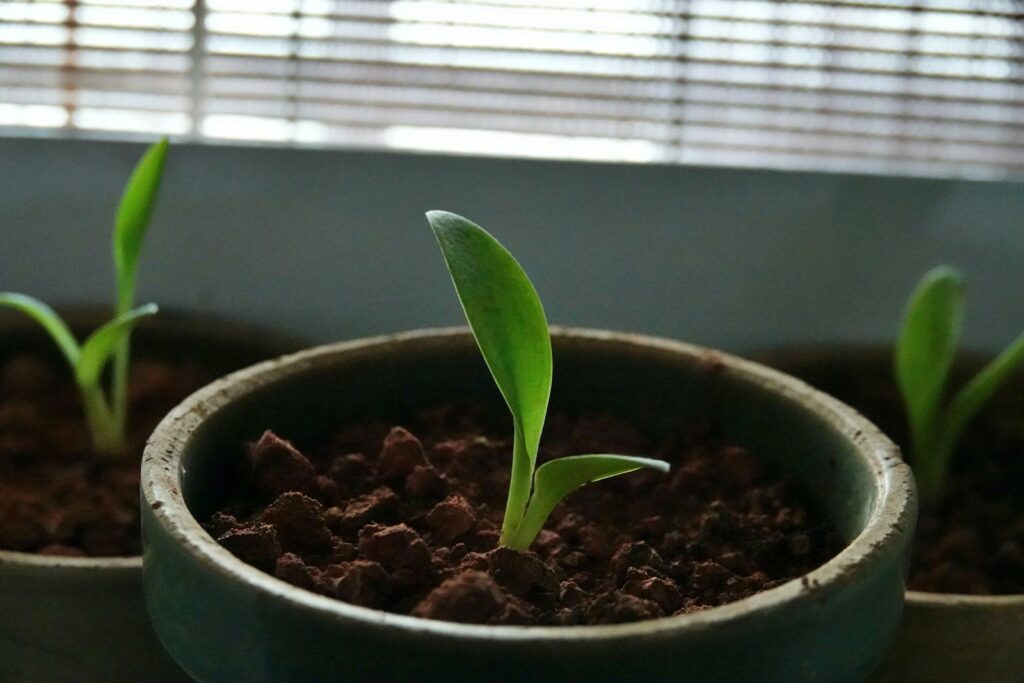
What if we stopped treating resolutions like all-or-nothing contracts?
Change doesn’t require a dramatic reset. It requires small, realistic steps taken consistently enough to matter.
Instead of asking, “Why can’t I stick to this?” try asking:
What is one small thing I could do today that moves me slightly closer to what I want?
Small steps build momentum – and momentum builds confidence.
Progress Beats Perfection (Every Time)
Perfection is a setup for disappointment.
When goals are measured by doing everything “right,” even genuine effort can feel like failure. Progress, however, allows room for real life.
Progress might look like:
- Decluttering one item a day
- Waking up 15 minutes earlier to stretch
- Adding one extra serving of vegetables
- Putting your phone away for five intentional minutes
These steps may feel insignificant – but they count.
There’s No Wrong Place to Start
Anywhere is a good place to begin.
If a goal aligns with what you value, then working toward it – imperfectly – is an accomplishment in itself. Even noticing that you want something to be different is a sign of growth.
Think about how we support children learning new skills. We expect falls. We celebrate effort. We encourage them to keep trying.
You deserve that same patience.
Real Change Takes Time (and Missteps)
Building new habits and creating meaningful change isn’t about avoiding mistakes – it’s about responding to them differently.
Instead of giving up when things get hard, what would it look like to pause, adjust, and keep going?
This year doesn’t need a perfect version of you.
It just needs a willing one.
FAQs about New Year’s Resolutions
Why do New Year’s resolutions fail so often?
New Year’s resolutions often fail because they are built around perfection, drastic change, or external pressure rather than realistic habits and personal values. When goals don’t account for stress, energy levels, or real life, even motivated people struggle to maintain them. This doesn’t mean you lack discipline – it means the approach may need to be more compassionate and flexible.
Is it normal to quit New Year’s resolutions?
Yes. Research and lived experience both show that many people stop working toward their resolutions within the first few weeks of the year. This is not a personal failure – it’s a sign that rigid, all-or-nothing goals don’t work well for most people. Progress can still happen without starting over.
How can I stick to New Year’s resolutions without burning out?
Focusing on small, values-based steps instead of perfection can make resolutions more sustainable. Adjusting goals, taking breaks, and responding to setbacks with curiosity rather than self-criticism can help prevent burnout and increase follow-through.
A Gentle Invitation
If you find yourself stuck in cycles of self-criticism, all-or-nothing thinking, or frustration around change, you don’t have to navigate that alone.
Support can help you create goals that are realistic, values-based, and compassionate – so growth feels sustainable instead of punishing.
You’re allowed to move forward without starting over.
Originally published in 2021. Updated in 2026 to reflect a more compassionate, values-based approach to change.

