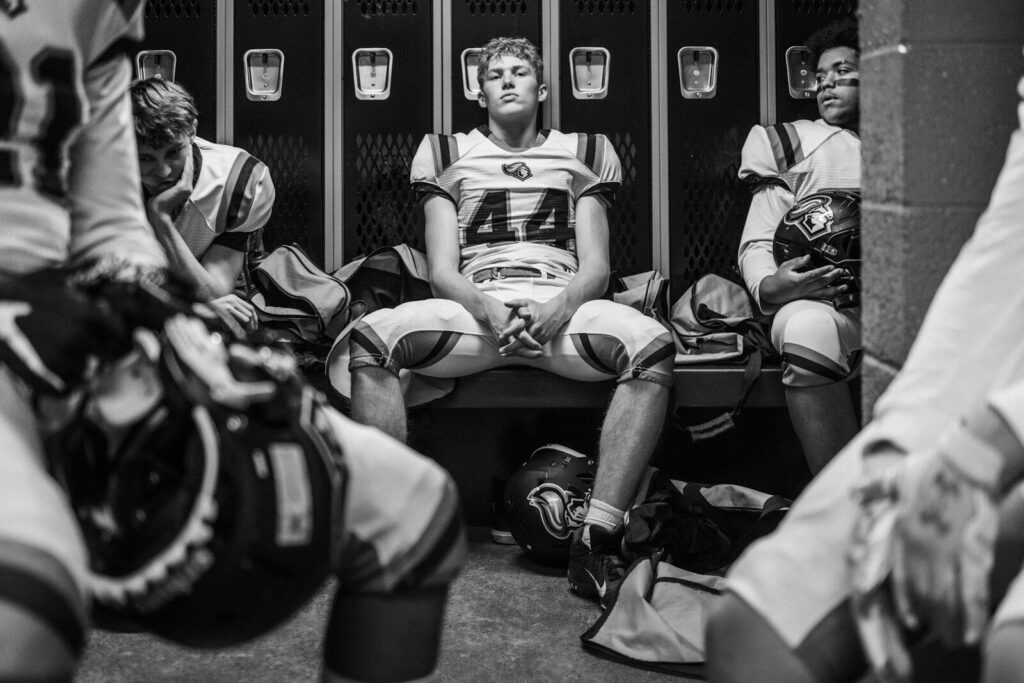
The Olympics just ended.
Maybe you watched with your kids.
Maybe you felt inspired.
Maybe you felt that familiar tightness in your chest watching someone chase perfection on the world stage.
The Olympic Games showcase discipline, drive, and peak performance. They show us what the human body can accomplish at the highest level.
What they don’t often show is what that body may have endured to get there.
Because behind some of those routines, races, and podium finishes are athletes quietly struggling with food, body image, and relentless pressure. And when we only celebrate the outcome, it’s easy to miss the cost.
This week — National Eating Disorder Awareness Week — feels like the right time to gently pull back that curtain.
Eating disorders in athletes are more common than most people realize. Research suggests that up to 45% of female athletes and 19% of male athletes experience disordered eating behaviors — rates significantly higher than the general population (National Eating Disorders Association). The very traits that fuel success in sports — discipline, perfectionism, pain tolerance — can also increase vulnerability.
And that conversation matters.
Why Eating Disorders Are Common in Athletes
Sport can build confidence, resilience, and strength. It can also create intense pressure around weight, body composition, and performance.
Athletes are often:
- High-achieving and perfectionistic
- Comfortable pushing through discomfort
- Praised for discipline and control
- Surrounded by messaging that smaller, leaner, or lighter is “better”
Over time, performance goals can quietly morph into identity statements:
“I perform well, therefore I matter.”
“If my body changes, I lose my edge.”
“If I rest, I fall behind.”
Food shifts from nourishment to strategy.
Rest shifts from recovery to weakness.
Worth becomes conditional.
And that’s where things begin to unravel.
When Discipline Becomes Disordered Eating
Eating disorders in athletes are uniquely hard to spot because many behaviors are normalized in sports culture.
Strict meal plans.
Tracking macros.
Training through injury.
Fear of rest days.
Weigh-ins.
From the outside, it looks like commitment.
On the inside, it can be anxiety in disguise.
What may start as “clean eating” or “cutting weight for performance” can slowly become rigidity, fear, and disconnection from hunger cues. Physically, this can lead to chronic fatigue, stress fractures, hormonal disruption, loss of menstrual cycles, decreased testosterone, and burnout. Mentally, it often brings increased anxiety, irritability, and shame.
For some athletes, the eating disorder begins to serve a purpose:
- A sense of control in high-pressure environments
- A buffer against fear of failure
- A way to maintain identity
- A way to avoid feeling “not enough”
Letting go of those behaviors can feel terrifying — not because they don’t want health, but because they don’t know who they are without the structure.
Eating Disorders in Young Athletes: What Parents Should Watch For
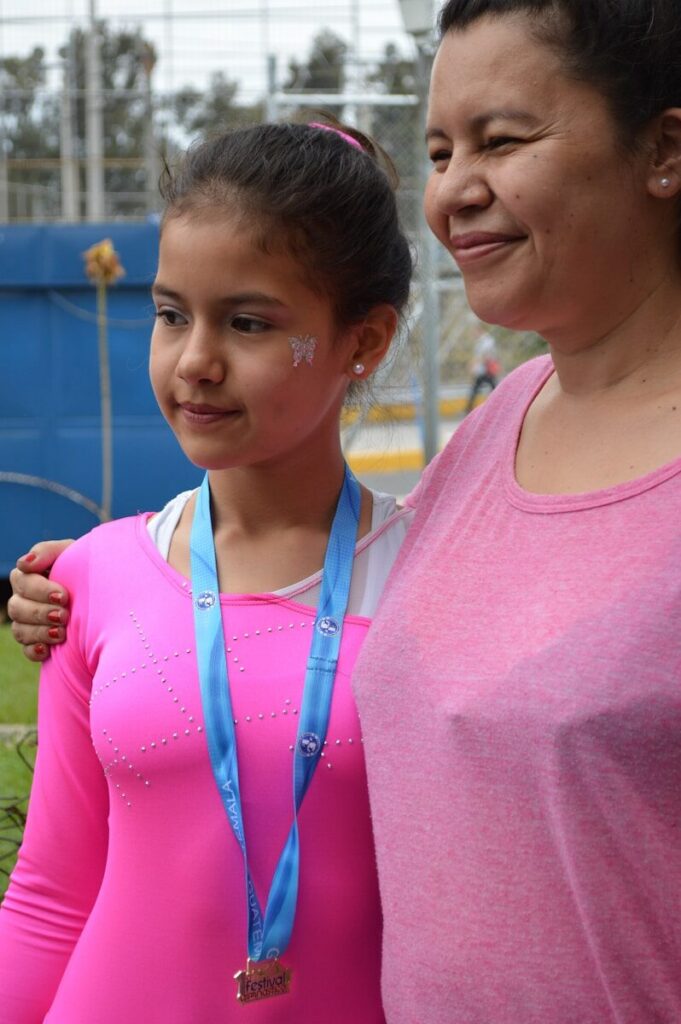
This isn’t just about Olympians.
It’s middle school cross-country runners skipping team dinners.
High school wrestlers cutting weight aggressively.
Gymnasts navigating puberty in a sport that rewards smallness.
Teen athletes who suddenly seem anxious anytime food is involved.
Eating disorders in young athletes are often overlooked because the behaviors blend into sports culture. Parents are told their child is “just dedicated.”
But there are warning signs worth paying attention to:
- Increasingly rigid food rules
- Anxiety or irritability around meals
- Avoiding team dinners or social eating
- Obsessive body checking
- Recurrent injuries or chronic fatigue
- Self-worth tied entirely to performance
If your child seems more anxious, more withdrawn, or more preoccupied with food and their body, trust that instinct. Early support makes a meaningful difference.
And this part is important:
You can love sports and still question the pressure.
You can support your athlete and still advocate for their health.
Excellence Shouldn’t Cost You Your Health
Here’s the tension we don’t talk about enough:
We admire grit.
We celebrate sacrifice.
We praise pushing limits.
But suffering is not a requirement for success.
Eating disorders in athletes are not a sign of weakness. They are often the intersection of high expectations, identity pressure, and a culture that equates control with worth.
Recovery does not mean giving up your sport.
It means building a relationship with food and your body that supports sustainable strength — physically and mentally.
The strongest athletes aren’t the ones who ignore their needs. They’re the ones who learn to listen.
You Don’t Have to Navigate This Alone
If you’re an athlete struggling in silence…
If you’re a parent noticing red flags and feeling unsure what to do…
If you’re a former athlete realizing your relationship with food and your body was shaped by years of pressure…
Support matters.
Eating disorders in athletes require nuanced, compassionate care — care that understands both performance culture and mental health. This isn’t about “just eating more” or “just relaxing.” It’s about untangling perfectionism, anxiety, identity, and worth.
You deserve strength that doesn’t come at the expense of your well-being.
At Anxiety Wellness Center of Chicagoland, I work with teens and adults navigating anxiety, perfectionism, body image concerns, and disordered eating — including athletes balancing performance pressure with health.
If this resonates, reach out today.
Let’s build something more sustainable than pressure.

